Skin Tone Matters: A Studio Owner’s Guide to Choosing Inclusive Dance Costumes
When you’re juggling music cuts, choreography, schedules, and parent emails, it’s easy for skin-tone bases to feel like a tiny detail. But the truth is: that “tiny” detail has a huge impact on how your dancers look and feel on stage.
An inclusive skin-tone strategy doesn’t just make your photos prettier. It affects:
-
How confident each dancer feels in their costume
-
How clearly your design reads under stage lighting
-
Whether your team looks polished and intentional—or mismatched and dated
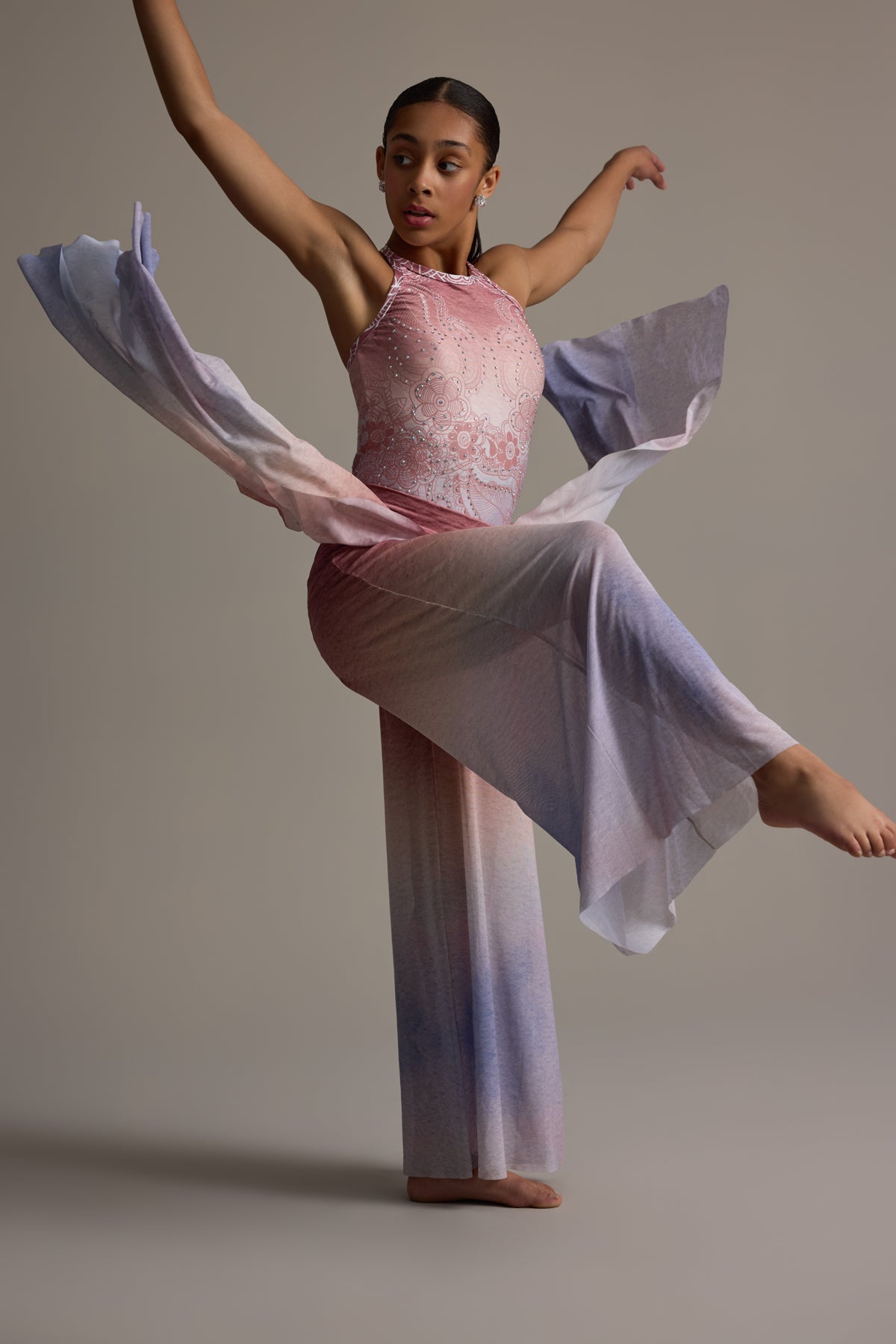
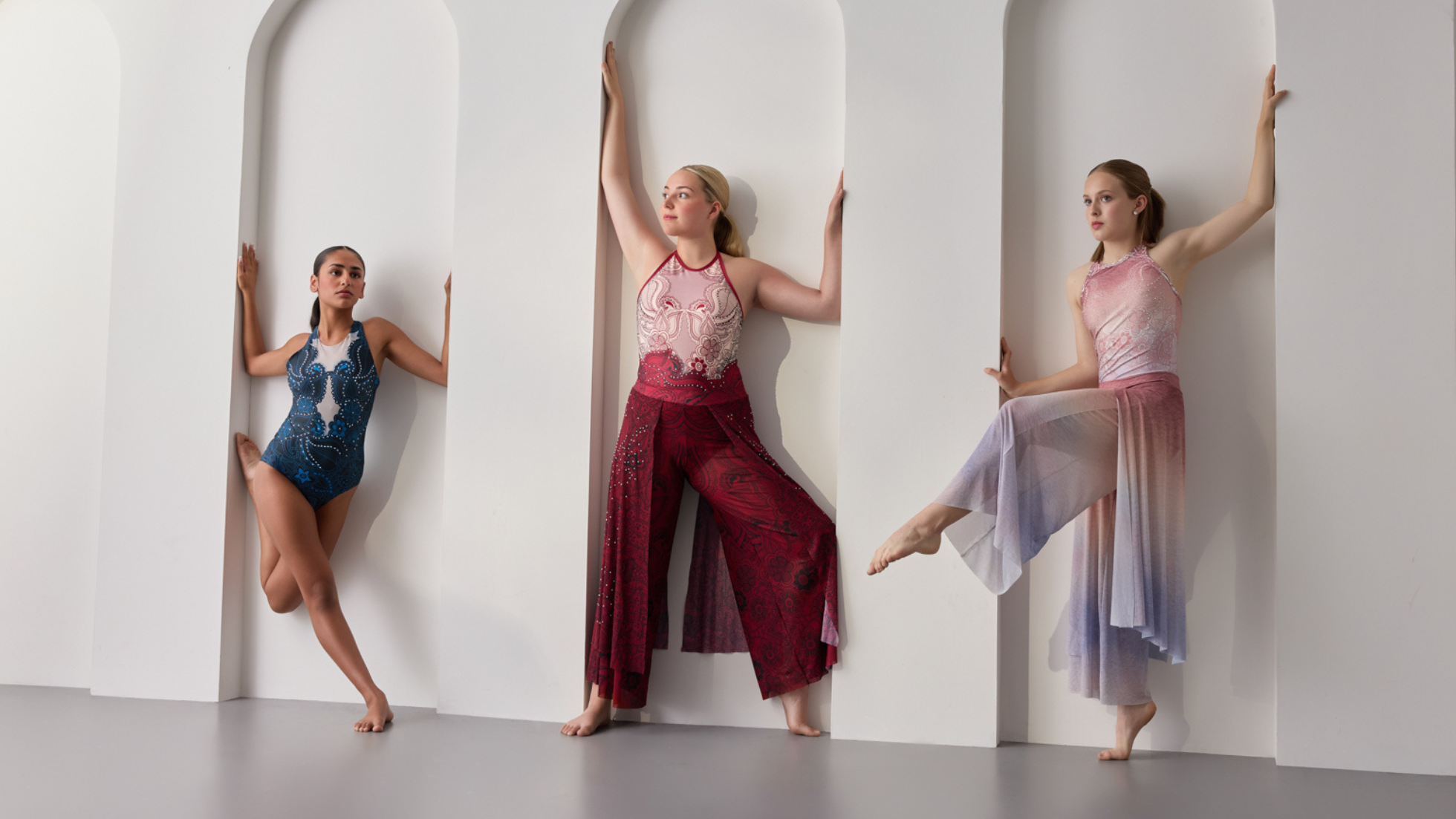
At Limelight Costumes, skin-tone options are baked into the design process, especially in the Prima Collection, where many costumes offer customizable printed skin tone panels so every dancer can be represented authentically on stage.
This guide will walk you through:
-
What “skin-tone base” actually means in dance costuming
-
Why it matters for inclusivity and stage visuals
-
Practical steps for choosing the right shades for your students
-
Specific examples from Limelight Costumes to make this feel real and doable
What Is a Skin-Tone Base in Dance Costumes?
In dance costuming, a skin-tone base usually refers to any part of the costume that’s meant to mimic bare skin while still providing coverage and structure. That might be:
-
An illusion neckline or deep V-panel
-
Mesh or printed “cut-outs” that aren’t truly cut out
-
Long sleeves or backs meant to read as skin under the lights
Traditionally, these areas were often made in one or two very light “nude” shades—which left a lot of dancers, especially dancers of colour, feeling like the costume was never truly designed with them in mind.
Limelight flips this script by offering multiple printed skin tone options on many Prima styles, so illusion sections, cut-outs, and inserts can be ordered in the tone that best suits each dancer.
You’ll see this language across the site in product descriptions like:
-
“Your choice of printed skin tone” on styles like Electric Instinct
-
Skin tone bases “designed to complement a wide range of dancers” on Starlight Revue
-
Deep V necklines and bodices with optional skin tone inserts for full coverage and inclusive appearance in pieces like Lace Sonata
The goal: illusion details that look intentional and flattering on every dancer, not just a few.
Why Skin Tone Choices Matter on Stage
1. Representation and Confidence
When a dancer’s “nude” panel doesn’t match their skin at all, it sends a subtle but powerful message: this costume wasn’t designed for you. Over years of training, those moments add up.
On the flip side, when illusion cut-outs and mesh match your dancers properly:
-
Dancers feel seen and considered
-
Parents notice the effort and care
-
Your studio builds a reputation for being thoughtful, inclusive, and modern
For many Limelight Prima costumes, studios can choose from a wide palette of printed skin tones (Limelight ofers 12 options) so darker, medium, and lighter tones all have choices that feel intentional, not “close enough.”
2. Clean, Readable Lines Under Stage Lights
From the audience—or the judges’ table—details blur quickly. When an illusion neckline is too light or too dark for the dancer, it can:
-
Break the line of the neck and arms instead of elongating it
-
Make cut-outs look random or “stuck on”
-
Distract from your choreography and musicality
Pieces like Crimson Coil, Starlight Revue, Finale Ovation, and Charmed Viper all use printed skin tone bases to create smooth, uninterrupted silhouettes, even with bold serpentine designs or strappy illusions.
When those panels match the dancer, the focus goes where it should: the movement and the story.
3. Group Cohesion Without Erasing Difference
A common fear is: If I let each dancer pick their own skin tone, won’t the costumes look mismatched?
Not if it’s done thoughtfully.
Limelight’s approach—offering structured skin tone ranges inside a single design—lets you:
-
Keep one unified costume concept
-
Choose skin tones from the same curated palette
-
Honour each dancer’s natural colouring while still looking cohesive as a team
It’s the difference between “everyone wears the same beige mesh regardless of their skin” and “everyone wears their nude within the same design language.”
How to Choose Skin-Tone Bases for Your Studio
Here’s a practical, studio-friendly framework you can use when ordering inclusive dance costumes—with or without Limelight.
Step 1: Start With the Dancer, Not the Swatch
Whenever possible, choose tones in context:
-
Hold the skin tone option next to the dancer’s face and chest, not just their arm.
-
View it in lighting that resembles stage or bright studio lighting (overhead LEDs, not a dim office).
-
You’re looking for “soft blend,” not exact invisibility—costumes still need to look intentional.
Limelight’s printed skin tones are designed to stay true under stage lighting and work with their existing colour palettes, making this process more forgiving than standard “nude mesh.”
Step 2: Think in Ranges, Not Single Shades
For large groups, picking one skin tone for everyone can be tempting for simplicity—but it’s rarely inclusive.
Instead, decide on:
-
2–4 skin tone “families” that feel representative of your cast
-
A simple guideline like:
“Everyone chooses the closest match from this range, not lighter, not dramatically darker.”
Many Limelight costumes that feature printed skin tones mention multiple options, with regular orders offering 12 shades to choose from. That allows you to stay within one brand system while still giving dancers real choice.
Step 3: Balance Inclusivity With Simplicity
You don’t need a 45-minute skin-tone consultation with every family.
Keep it simple by:
-
Using a Limelight Costumes printed Skin Tone colour chart. It is printed on our premium fabric allowing you to get a close match. We mail these out for free upon request from studio owners. Just email info@limelightcostumes.com to receive one.
-
Making one staff member the “go-to” for questions so decisions stay consistent.
Real-World Examples From Limelight Costumes
Here are a few ways Limelight has intentionally built skin-tone bases into specific designs—use these as inspiration for your own planning.
Electric Instinct – Inclusive Illusion Neckline
Electric Instinct is a bold, printed halter leotard with mesh arm bands and a high-energy, multi-colour animal print. The neckline uses your choice of printed skin tone to complete an illusion effect, ensuring that the sharp shapes and colours stay the focus on every dancer, regardless of complexion.
Great for: jazz, acro, and contemporary where you want impact and edge without sacrificing inclusivity.
Crimson Coil – Skin-Tone Wrapped Illusion
In Crimson Coil, a vivid serpent wraps around the body and limbs. The design includes printed skin tone across the chest, upper back, and one arm, creating an illusion of daring cut-outs while still providing coverage and support. Studio owners can choose from multiple skin tones so the “bare” areas look intentional on each dancer.
Great for: themed routines, contemporary, and acro pieces that need big visual storytelling.
Botanica Bleu & Ethereal Waltz – Romantic, Inclusive Lyrical Looks
Styles like Botanica Bleu and Ethereal Waltz offer printed skin tone choices to complete delicate, floral, and lace-inspired designs with an inclusive finish.
Great for: lyrical, contemporary, and group pieces where softness and unity are key.
Finale Ovation & Lace Sonata – Skin Tone Inserts for Coverage
Costumes like Finale Ovation and Lace Sonata use skin-tone inserts strategically:
-
Finale Ovation incorporates a printed skin-tone bodice beneath rhinestone detailing, keeping the silhouette secure, covered, and stage-ready.
-
Lace Sonata offers a deep V neckline with a skin tone insert, for dancers who want that “illusion” look without feeling overexposed.
Great for: studios managing a wide age range in one group, or for dancers who want glamour without worrying about wardrobe malfunctions.
Starlight Revue, Gilded Venom & Charmed Viper – Precision Details
These designs use printed skin tones to support more intricate visual concepts:
-
Starlight Revue pairs a printed skin-tone base with bold colours and matching mesh arm bands for clean, high-impact lines on a wide range of dancers.
-
Gilded Venom and Charmed Viper weave skin-tone accents into strapping and scale patterns to create depth, drama, and the illusion of wrapping details without sacrificing fit.
Great for: advanced groups and solos where costume is part of the choreography’s storytelling.
Bringing It All Together: A More Inclusive Stage Starts with the Prima Collection
Choosing skin-tone bases thoughtfully doesn’t have to add stress to your season. In fact, when you use a brand that builds inclusivity into its design process—like Limelight’s Prima Collection with its curated colourways and skin tone options—it actually simplifies your work.
A quick recap for studio owners:
-
Skin tone matters for representation, confidence, and visual clarity.
-
Look for costumes with printed skin tone options or multiple “nude” choices, not just one.
-
Decide on simple studio guidelines (a small range of tones, clear visuals, one point person).
-
Think of skin tone as part of your overall colour story, not an afterthought.
When your dancers see themselves reflected in their costumes—literally and figuratively—they stand a little taller, perform a little braver, and feel truly part of the story you’re putting on stage.
If you’re ready to build more inclusive dance costumes, explore Limelight’s Prima styles that feature printed skin-tone bases, or reach out to their team to talk through which designs would best support your dancers and your choreography vision.
Read more
Accessories are the secret to custom-feeling dance costumes, allowing studios to elevate basic looks, refresh existing pieces, and differentiate dancers without the high cost of full customization....
The loudest problem in the room during competition season? The costume timeline. We’ve all been there: delayed shipments, backordered fabrics, and the "what if it doesn't arrive" stress that pulls...