How to Make Catalog Costumes Look More Custom
For many dance studio owners and choreographers, there is a common tension during costume season.
You want the ease, speed, and accessibility of catalog costumes, but you also want your dancers to walk on stage looking elevated, intentional, and unique. You do not want the final result to feel overly common, flat, or like a look audiences have seen a hundred times before.
The good news is that catalog costumes do not have to feel generic.
With the right eye, styling strategy, and finishing details, catalog costumes can absolutely deliver a more custom look. In fact, some of the most polished stage presentations come from studio owners who know how to take a strong base costume and elevate it thoughtfully.
Here is how to make catalog costumes look more custom without adding unnecessary chaos to your season.
Start With a Strong Base, Not Just a Trendy One
The first step is choosing the right foundation.
Not every catalog costume has equal potential for customization. Some already have a more elevated silhouette, better fabric, cleaner lines, or more intentional design details. Others rely heavily on a trend or novelty element and leave very little room to make the look your own.
When selecting a base costume, look for pieces that offer:
-
a strong overall silhouette
-
thoughtful color placement
-
quality-looking fabric
-
interesting neckline or shaping
-
enough simplicity to style further
-
a polished finish from the start
In other words, choose costumes that already feel refined, then build from there.
Focus on Styling the Full Look, Not Just the Garment
One of the fastest ways to make a catalog costume feel more custom is to stop thinking only about the garment itself.
What makes a look feel custom on stage is often the full visual package, including:
-
hairstyle
-
headpiece
-
makeup direction
-
tights or legwear choices
-
shoe coordination
-
layering pieces
-
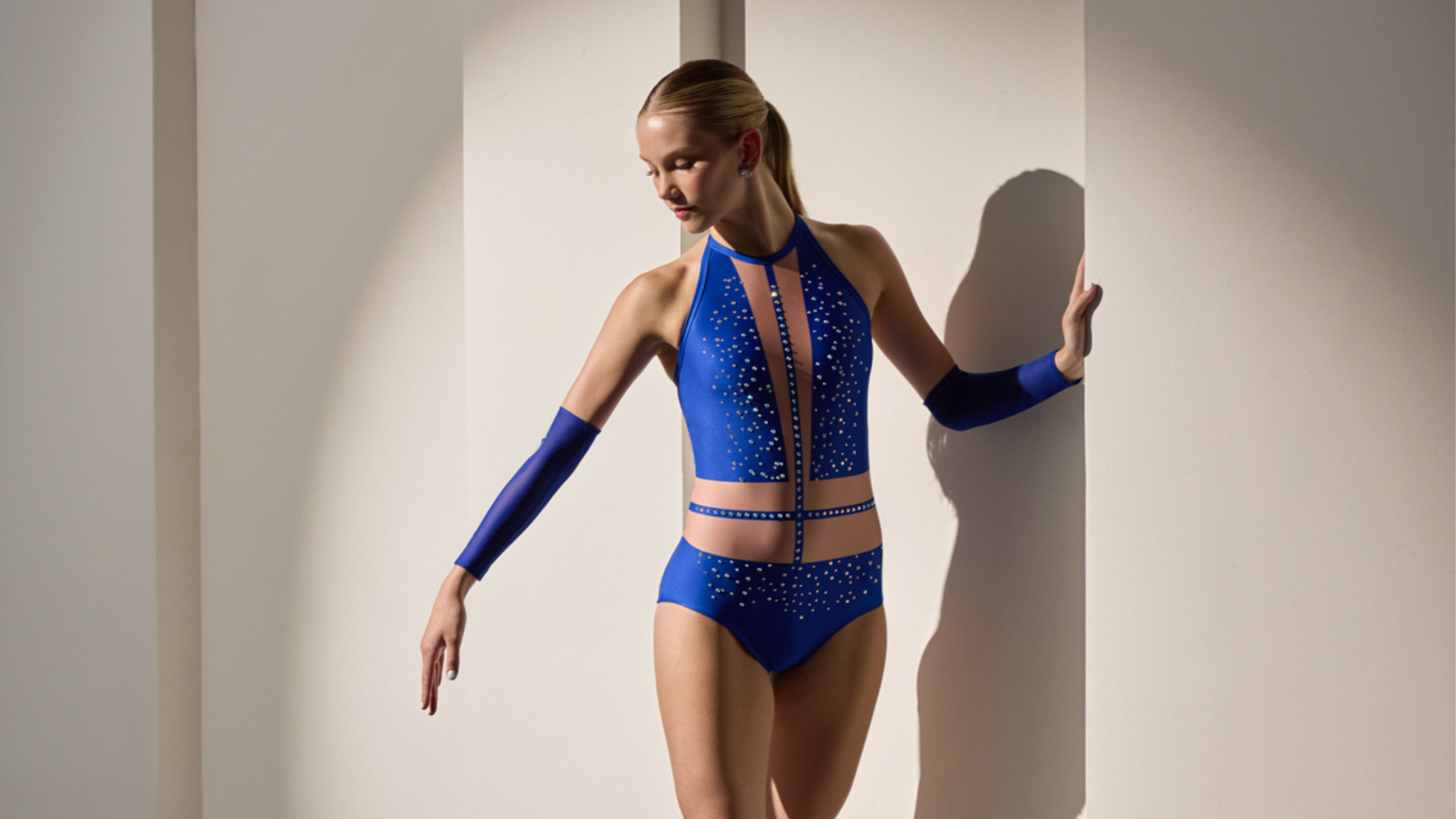
gloves, sleeves, or skirts where appropriate
A catalog costume that is thoughtfully styled from head to toe almost always reads more elevated than one that is worn exactly as-is with no additional attention.
When everything feels cohesive, the audience sees a complete stage look, not a catalog item.
Use Add-Ons With Intention
Add-ons are one of the most effective ways to create a custom feel, but they should look purposeful.
Good options might include:
-
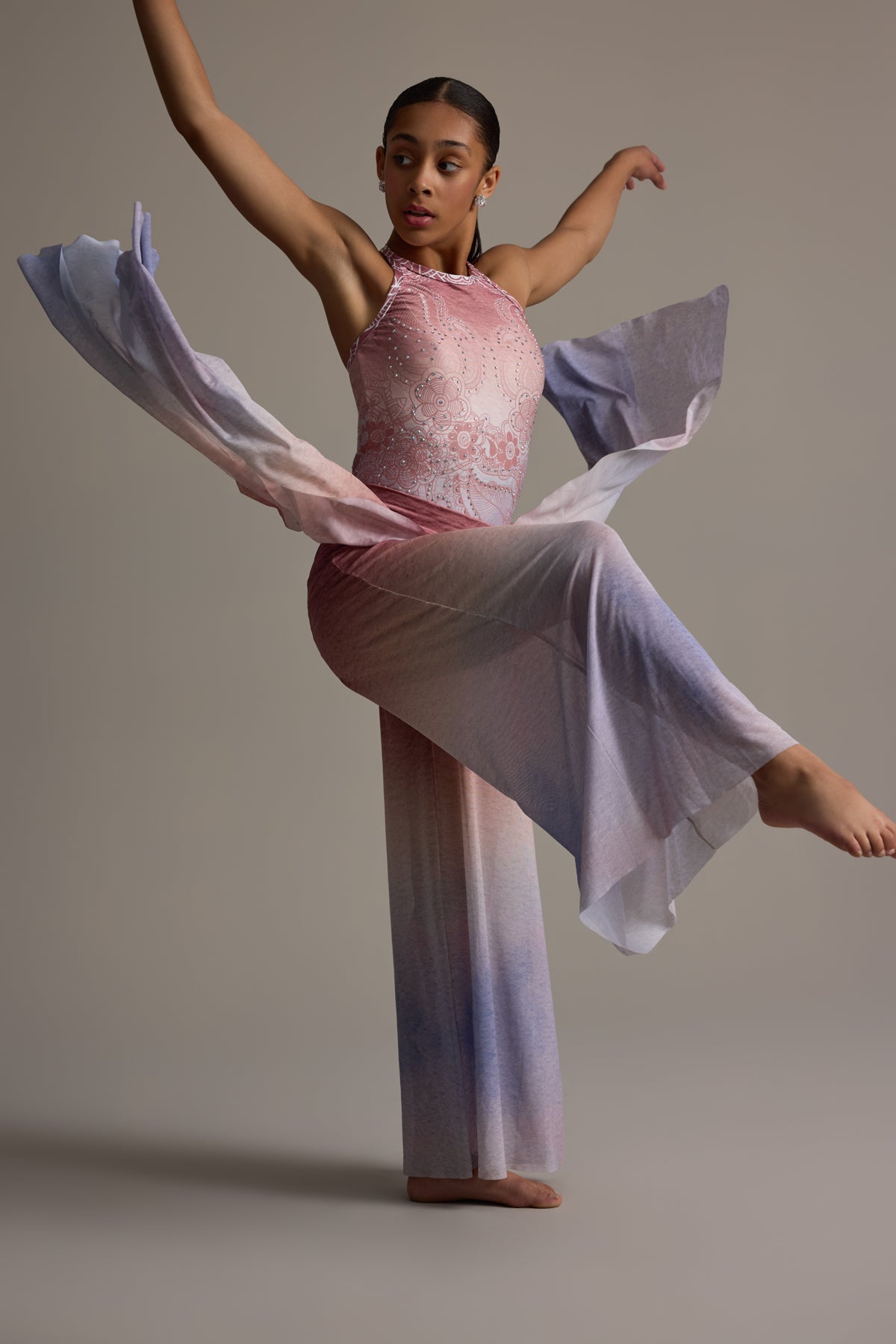
attached skirts or overskirts
-
mesh overlays
-
draped accents
-
sleeves
-
gloves
-
neckline enhancements
-
coordinated appliqué placements
-
subtle extra embellishment
The key is restraint. Too many additions can make a costume feel busy or disconnected. The goal is to enhance the original design, not fight against it.
A strong custom-feel costume often has one or two smart finishing touches that make the look feel specific to your choreography.
Customize Through Color Story
Even when using catalog costumes, color choices can go a long way in shaping uniqueness.
If the costume is available in multiple shades, think carefully about what best supports:
-
the music
-
the mood of the piece
-
your studio’s visual style
-
how the dancers will appear under stage lights
Sometimes the most custom-feel choice is not the most obvious one. A softer neutral, rich jewel tone, or less commonly selected palette can help your group stand out immediately.
Color also becomes more powerful when it is echoed through the full styling plan, including accessories, makeup accents, and even team presentation.
Upgrade the Details That Audiences Notice
Audiences may not know whether a costume is catalog or custom, but they do notice the finish.
Small details can make a big difference, such as:
-
replacing a generic headpiece with a more intentional one
-
using high-quality rhinestone placement strategically
-
refining strap placement where possible
-
adding a more elegant skirt layer
-
choosing better undergarment solutions so the costume looks cleaner on stage
These upgrades do not always require a dramatic redesign. Often, it is the detail work that changes the perception of the look.
Make Sure the Costume Actually Fits Beautifully
A costume with custom-level styling will still fall flat if it does not fit well.
This is one of the biggest reasons some catalog costumes look less polished than they could. A great fit instantly improves how expensive and intentional a costume appears.
Pay attention to:
-
strap length
-
torso fit
-
waist placement
-
skirt positioning
-
smoothness
-
whether dancers feel secure moving in it
Sometimes the difference between a catalog look and a custom-feel look is simply that one has been fit and finished properly.
Think in Terms of Collection, Not Individual Piece
Many studio owners elevate catalog costumes by designing around a broader visual concept.
Instead of thinking, “What costume should I buy?” think, “What world am I creating on stage?”
That perspective leads to stronger choices around:
-
texture
-
mood
-
silhouette family
-
accessory consistency
-
hair and makeup tone
-
any secondary pieces or layers
When the costume feels part of a larger artistic direction, it naturally reads as more intentional and more custom.
Use Contrast and Layering Carefully
Layering can instantly transform a simpler base costume when it is done well.
Examples include:
-
adding a sheer skirt over a leotard base
-
incorporating a dramatic sleeve on one arm
-
using matching briefs or shorts under a more flowing layer
-
building a two-piece visual effect with overlays
-
creating depth through tonal fabrics or mesh
The best layering solutions add movement, shape, and richness without making the dancer feel bulky or over-designed.
Avoid Over-Customizing Just for the Sake of It
This is worth saying clearly: more is not always better.
Sometimes studio owners try to force a custom look by adding too many stones, too many accessories, too many trims, or too many competing ideas. The result can actually look less premium, not more.
A polished custom-feel look usually has clarity. There is a visual point of view. The design choices feel connected. Nothing feels random.
When in doubt, edit.
Match the Finish to the Choreography
One of the best ways to make catalog costumes feel less generic is to make sure the final styling truly fits the piece.
Ask:
-
does this look support the emotional tone?
-
does it feel age-appropriate?
-
does it suit the movement quality?
-
does it look like it was chosen for this routine specifically?
When the answer is yes, the audience experiences the costume as part of the storytelling, not just as stagewear.
Catalog costumes can absolutely look elevated, polished, and distinctive when they are chosen and styled with intention.
The goal is not to hide the fact that the costume began as a catalog piece. The goal is to make the finished result feel so cohesive, well-considered, and beautifully presented that it reads as something more special.
With a strong base, thoughtful add-ons, beautiful fit, smart styling, and a clear artistic point of view, catalog costumes can deliver the kind of stage impact studio owners are really after.
And that is often where the sweet spot lives: custom-level impression, without custom-level complexity.
Read more
Effective costume communication relies on clarity over apology. By introducing costs early in the season and framing them as a standard part of the performance commitment, studio owners can replace...
Managing costume season requires transitioning from isolated decisions to a robust, repeatable system. Use this condensed 15-point checklist to protect your timeline, budget, and sanity.