
How to Build a Competition Costume Plan Without Feeling Overwhelmed
Planning costumes for a full competitive dance season can feel like one of the biggest tasks on a studio owner’s list. Between group numbers, solos, duets, trios, productions, sizing, budgets, parent communication, choreography needs, and ordering timelines, it is easy for costume planning to feel overwhelming before the season even begins.
But with the right system, your competition costume plan can feel clear, organized, and even exciting.
A strong costume plan does more than help you choose beautiful dance costumes. It helps you support your choreography, create a polished studio look, manage timelines with confidence, and give your dancers the feeling that they are ready to step on stage fully prepared.
Whether you are planning costumes for a small competitive team or a large studio with multiple groups and soloists, here is how to build a competition costume plan without feeling overwhelmed.
Start With the Full Competitive Season
Before choosing specific styles, colours, or costume details, take a step back and look at the full season as a whole.
Start by making a list of every routine that will need a costume. Include:
-
Large groups
-
Small groups
-
Lines
-
Productions
-
Solos
-
Duets
-
Trios
-
Specialty numbers
-
Recital crossover pieces, if applicable
This first step gives you a full view of what you are actually planning for. Many studio owners feel overwhelmed because costume planning happens in pieces. One group costume gets chosen here, a solo costume gets discussed there, and suddenly the season feels scattered.
Creating one complete costume overview helps you see the full picture from the beginning.
For each routine, note the dancer count, age group, dance style, choreographer, music theme, and any important performance details. This becomes your main competition costume planning document and will help you make better decisions as the season develops.
Match Costume Style to the Choreography
A dance costume should support the choreography, not compete with it.
Before choosing a costume, think about what the routine needs to communicate. Is the piece soft and emotional? Strong and dramatic? Fast, sharp, and technical? Light and playful? Elegant and mature? The costume should help tell that story before the first step is even performed.
When planning costume style needs, consider:
-
Dance genre
-
Music mood
-
Age appropriateness
-
Movement requirements
-
Stage impact
-
Group formation changes
-
Choreographer vision
-
Studio image
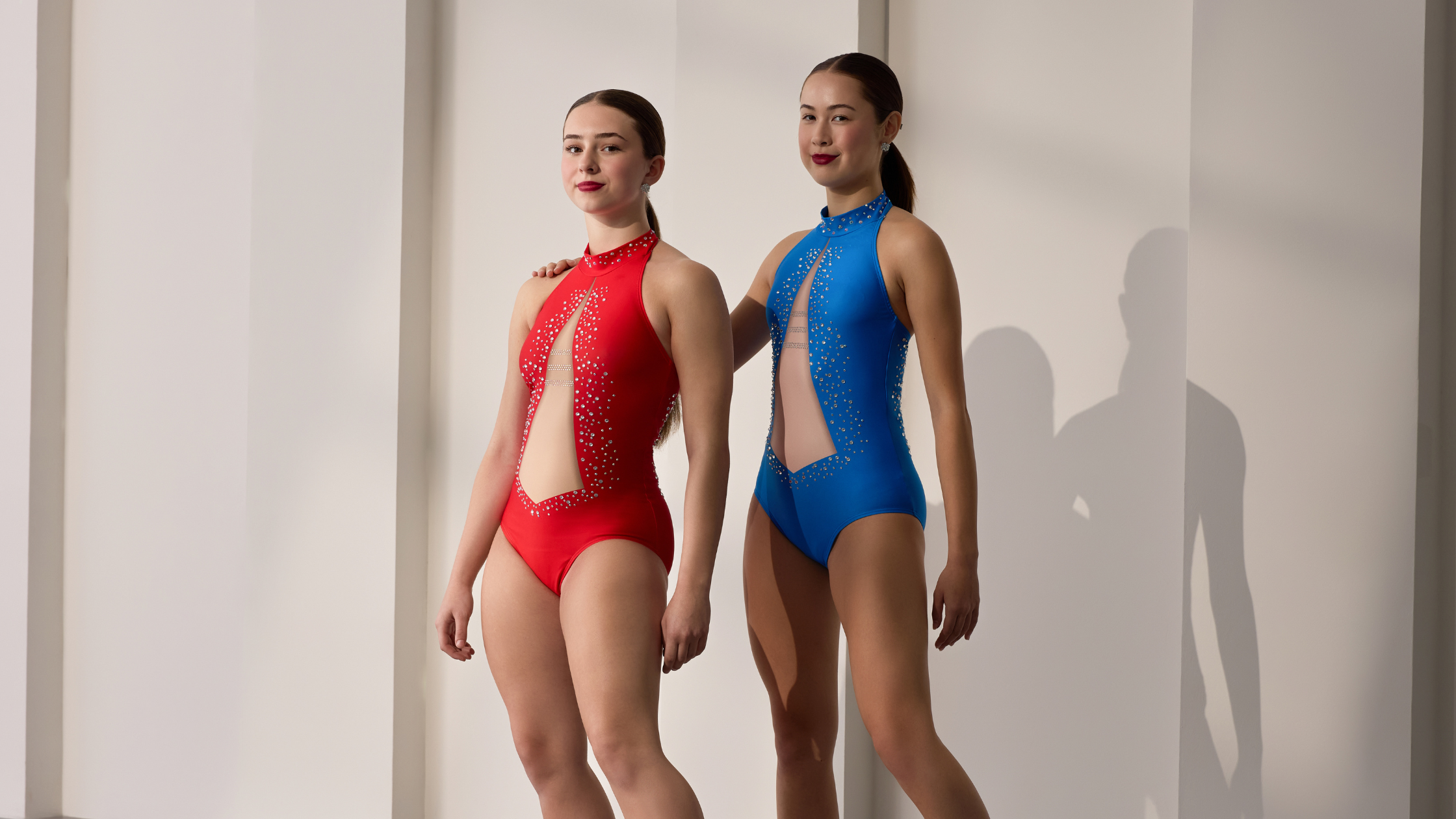
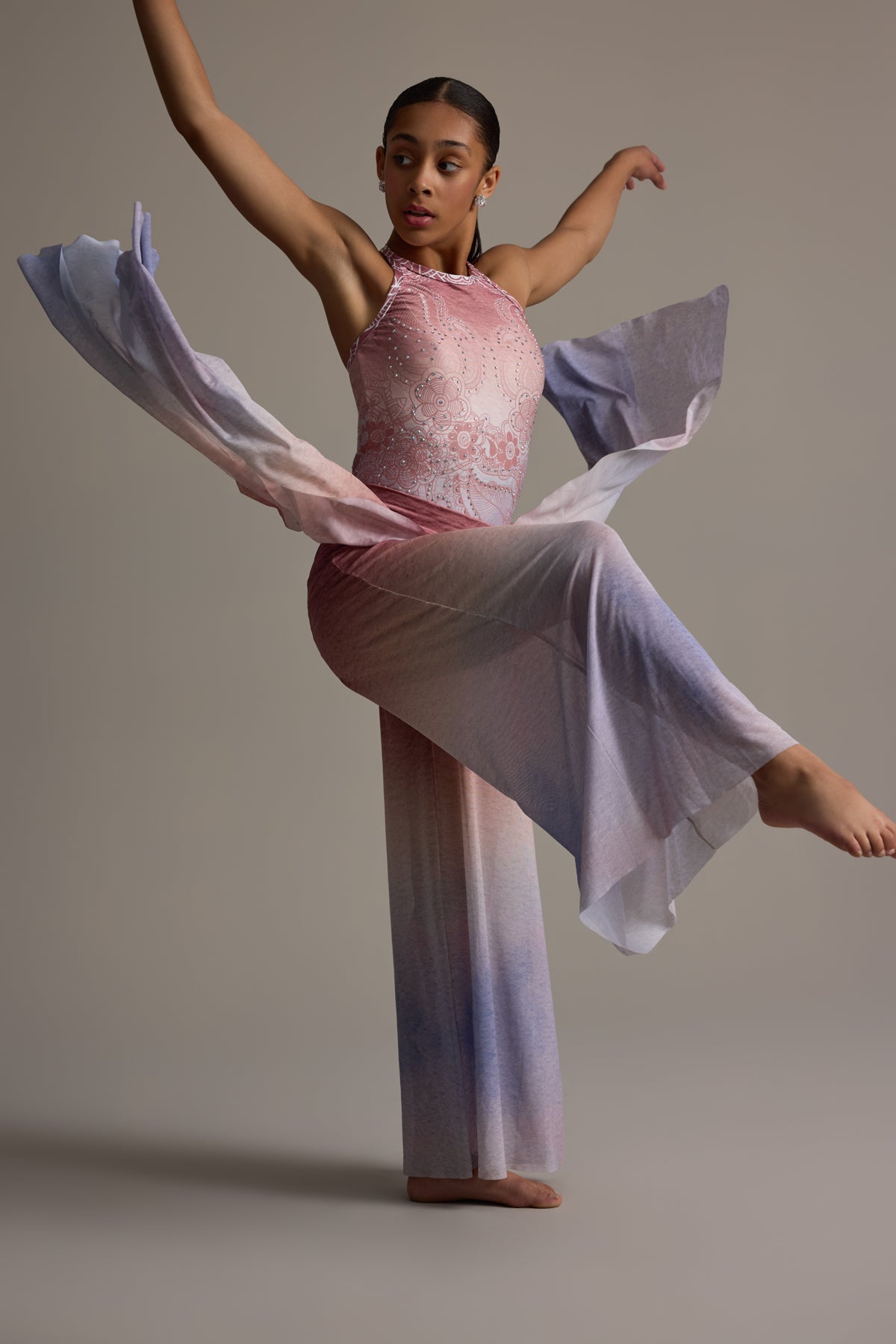
For example, a lyrical group may need a softer silhouette with movement in the skirt or fabric. A jazz routine may need clean lines, sparkle, structure, or bold contrast. A contemporary piece may call for something more artistic, minimal, or expressive. A tap number may need a costume that looks polished while allowing strong footwork and clean sound.
This is where costume planning becomes more than ordering garments. It becomes part of the performance vision.
Organize Group Numbers First
When building a competition costume plan, it usually helps to start with group numbers before moving into solos, duets, and trios.
Group costumes often involve more dancers, more sizing, more parent communication, and more coordination. They also have a larger visual impact on your studio’s overall look at competition. Because of this, group numbers should be one of the first priorities in your planning process.
For each group, confirm:
-
Number of dancers
-
Size range
-
Dance style
-
Colour direction
-
Desired level of detail
-
Budget range
-
Accessories needed
-
Shoes or tights required
-
Any dancer-specific fit considerations
Group costumes also need to look cohesive across different body types and ages. A costume may look beautiful on one dancer but may not be the right choice for a full group. Look for styles that support the full team and allow each dancer to feel confident, comfortable, and polished.
A good group costume should create unity without making dancers feel restricted or uncomfortable.
Create a Separate Plan for Solos, Duets, and Trios
Solos, duets, and trios often require a different planning approach than group costumes.
These routines are more individual, which means there may be more room for personal expression, custom details, unique colours, or elevated styling. However, they can also become time-consuming if there is no clear process in place.
To stay organized, create a separate section in your costume planning document for solos, duets, and trios. Include:
-
Dancer name
-
Routine type
-
Choreographer
-
Music or theme
-
Costume direction
-
Budget
-
Size
-
Parent approval status- if considered
-
Order status
-
Arrival date
-
Alteration notes
This helps you avoid having costume decisions live in text messages, email threads, notebooks, or hallway conversations. Everything should be in one place.
For soloists, it can also be helpful to set clear expectations with parents early. Let them know the budget range, decision-making process, and timeline. This protects you from last-minute stress and helps families feel informed from the beginning.
Build a Realistic Costume Budget
Budget is one of the most important parts of competition costume planning.
Before falling in love with specific styles, decide what budget range makes sense for each category of routine. Not every costume needs the same level of investment. A senior solo costume may have a different budget than a large junior group. A production costume may need to be more practical because of the number of dancers involved. A specialty number may require accessories or added details.
When building your costume budget, consider:
-
Costume base price
-
Customization fees
-
Rhinestones or embellishments
-
Accessories
-
Tights
-
Shoes
-
Hairpieces
-
Alterations
-
Shipping
-
Taxes or duties, if applicable
-
Backup or replacement needs
A clear budget makes it easier to narrow down costume choices and communicate with parents. It also helps prevent emotional decision-making when a costume is beautiful but not realistic for the full team.
The goal is not just to find a costume that looks good. The goal is to find a costume that supports the routine, fits the dancer, works within the budget, and arrives on time.
Plan Sizing Early
Sizing is one of the most common areas where costume stress happens.
To avoid last-minute issues, schedule your costume measuring process early in the season. Ideally, measurements should be collected before final orders need to be placed, with enough time to review size charts, check in-between sizes, and ask questions when needed.
For each dancer, record:
-
Bust
-
Waist
-
Hips
-
Girth
-
Inseam, if needed
-
Height
-
Current age
-
Fit notes
-
Growth considerations
Because dancers are active and growing, especially younger competitive dancers, sizing should be handled thoughtfully. Some dancers may need extra length. Some may be between sizes. Some may need additional support, coverage, or adjustments.
Avoid guessing whenever possible. A clear measuring process helps protect the studio, the parent, and the dancer.
It can also be helpful to assign one person to manage sizing communication. This keeps the process consistent and reduces the chance of missing information.
Create a Costume Ordering Timeline
A strong competition costume timeline gives you breathing room.
Instead of working backward from the first competition at the last minute, start planning early and build in extra time for decisions, ordering, delivery, try-ons, alterations, and unexpected delays.
A simple competition costume timeline may look like this:
Early season: Build your full routine list, confirm choreographers, and identify costume needs.
Before choreography is complete: Begin style direction conversations and gather inspiration.
Once routines are underway: Finalize costume choices for groups, solos, duets, and trios.
Before ordering: Complete measurements, confirm budgets, and collect approvals if needed.
After ordering: Track order status, delivery expectations, and any outstanding details.
When costumes arrive: Organize try-ons, check fit, assign accessories, and note alterations.
Before first competition: Confirm every dancer has every required costume piece, accessory, tight, shoe, and hair detail.
The more routines you have, the more important this timeline becomes. A costume plan is not just about what you order. It is about when each decision needs to happen.
Keep Everything in One Organized System
One of the best ways to reduce costume planning stress is to keep everything in one system.
This could be a spreadsheet, project management board, shared studio document, or internal planning tracker. The tool matters less than the consistency. What matters is that every costume detail has a clear place to live.
Your costume planning system should include:
-
Routine name
-
Style or genre
-
Dancer count
-
Costume selected
-
Supplier or brand
-
Dancers names/Size list
-
Budget
-
Parent communication status-if applicable
-
Order date
-
Estimated arrival
-
Actual arrival
-
Alteration notes
-
Accessories
-
Completion status
This system helps you quickly answer important questions like:
What costumes still need to be ordered?
Which dancers still need measurements?
Which routines need accessories?
Which parents still need information?
Which costumes have arrived?
Which pieces need alterations?
When everything is organized in one place, costume planning becomes much easier to manage.
Communicate Clearly With Parents
Parent communication is a major part of the costume planning process.
Parents want to know what they are paying for, when payments are due, when costumes will arrive, and what their dancer needs for competition day. Clear communication helps reduce questions, confusion, and last-minute stress.
When sharing costume information with parents, include:
-
Costume cost
-
What is included
-
What is not included
-
Payment deadline
-
Sizing deadline
-
Expected arrival timing
-
Alteration responsibilities
-
Required accessories
-
Competition-day reminders
The clearer your communication is, the more supported parents will feel. It also helps reinforce trust in your studio’s organization and professionalism.
Think About the Full Studio Look
Each costume needs to serve its own routine, but it should also fit into the larger picture of how your studio shows up at competition.
That does not mean every costume needs to match. It means there should be a sense of intention behind your studio’s visual identity. Your costumes, teamwear, warm-ups, branded apparel, and competition-day presence all work together to create the full studio look.
Ask yourself:
Do our costumes feel polished?
Do they reflect the quality of our training?
Do they support our choreography?
Do our dancers feel confident in them?
Do they represent our studio well?
When costume planning is connected to studio identity, the final result feels more elevated, cohesive, and memorable.
Leave Room for Support
You do not have to plan every costume detail alone.
The right costume partner should help make the process feel clearer, more inspiring, and more supported. Whether you are choosing ready-to-wear dance costumes, exploring mix-and-match costume pieces, or looking for custom-inspired performance looks, support matters.
At Limelight Costumes, our goal is to help studio owners create polished, expressive, competition-ready looks with more confidence and less overwhelm. We understand that costumes are not just products. They are part of the story your dancers are telling on stage.
From group numbers to solos, from sizing to styling, from planning to performance, your costume process should feel organized, thoughtful, and exciting.
A Better Costume Plan Creates a Better Season
A strong competition costume plan helps you move through the season with more clarity and less stress.
When you organize your routines, define your style needs, plan your group costumes, manage solos separately, set realistic budgets, collect sizing early, follow a clear timeline, and keep everything in one place, the entire process becomes easier.
Most importantly, your dancers feel the difference.
They step on stage feeling confident, proud, comfortable, connected, and ready to perform. And as a studio owner, you get to feel the relief of knowing that every detail has been thoughtfully planned.
Competition season will always be busy. But with the right costume plan, it does not have to feel overwhelming.